



We believe the secret to a great paella is connection with friends and family as you make your masterpiece. There's nothing quite like spending an afternoon together, preparing the ingredients, watching the paella simmer and sharing the paella together. In Spain, making paella is as much about shared celebration as it is about the food.
A Spanish Tradition
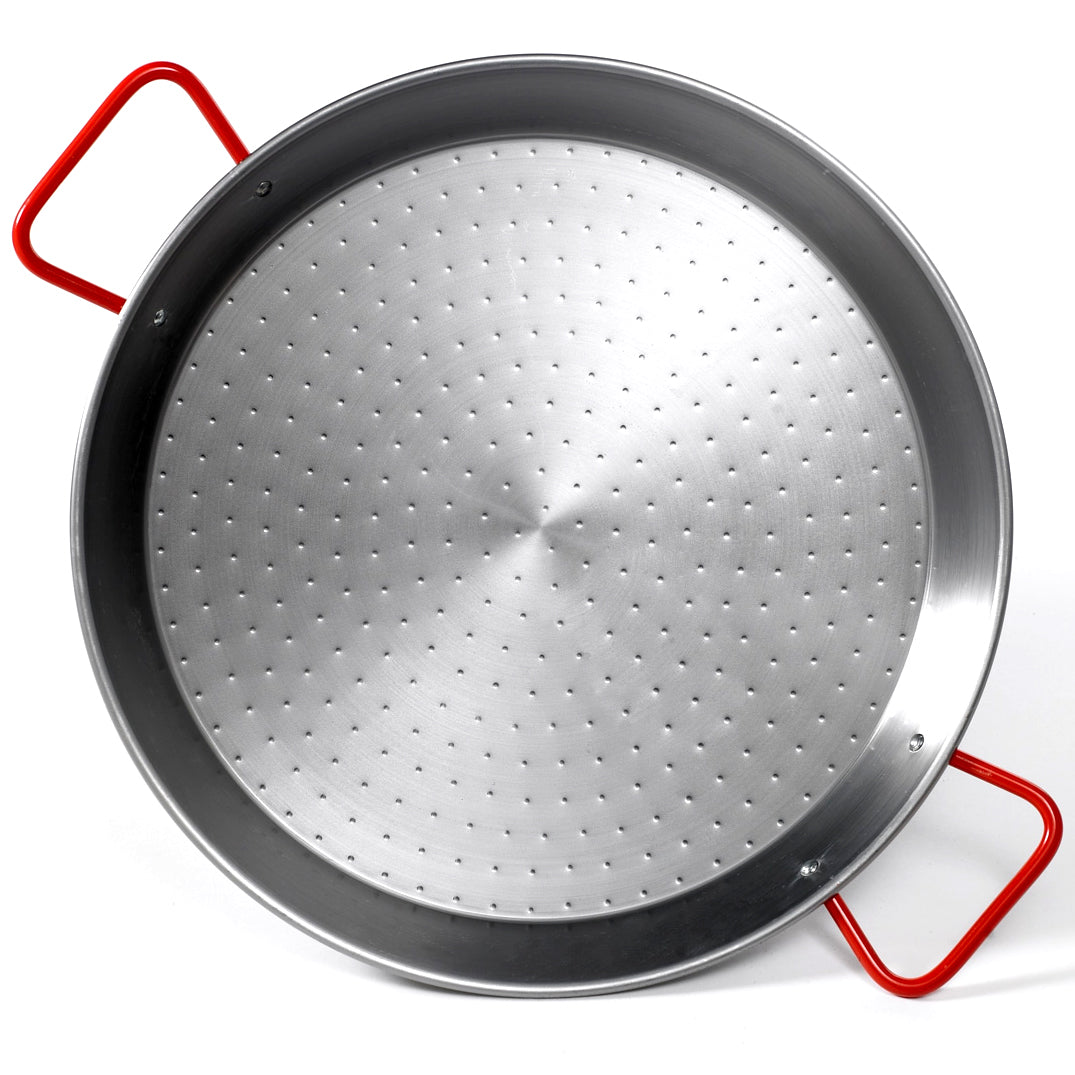
Paella began centuries ago in the countryside around Valencia. Farmworkers would build a fire in the fields and cook local short-grain rice in a wide, shallow pan, called a paella in the local dialect. They added whatever was available, perhaps artichokes, beans and other vegetables, along with chicken or rabbit and even snails.
As Spaniards from other regions began vacationing along the Mediterranean coast, paella became popular throughout the country. Local cooks created their own versions using regional ingredients. Along the coast, fresh shrimp, mussels and langostinos became the stars of paella de marisco, or seafood paella.
Today, there are countless variations of this beloved dish. Some are called arroces, or rice dishes, to distinguish them from traditional Valencian paella. But whatever version you choose, the secrets to a delicious paella are surprisingly simple.
And don't be intimidated! You don't need to be an expert chef to make a wonderful paella. Start with authentic Spanish ingredients, follow a few basic rules and invite everyone to help. That's half the fun!
Our Secrets to a Delicious Paella
The simplest and most important rule is to start with authentic short grained Spanish rice. Short-grain varieties like Bomba and Calasparra absorb flavorful broth while keeping their texture. Don't substitute Arborio, basmati or long-grain rice. The right rice makes all the difference.
We learned this tip from chef Luis Roger at BCN in Houston: to open up the saffron, make a saffron "tea" by adding the saffron threads to a cup of boiling water. Then pour the tea on the paella late in the cooking process. This makes the best of this aromatic golden spice.
Don't overload your paella. Remember, paella is first and foremost a rice dish. Keep the layer of rice thin and even, with just enough meat, seafood or vegetables to complement it. Cooking for a crowd? Use a larger pan rather than piling the ingredients higher.
Tomate frito adds a foundation of flavor to your paella. Pour a cup or two of grated tomato on the hot pan with some olive oil, and let it simmer until it is concentrated. Don't hurry, this step can take up to 45 minutes!
Let the rice cook undisturbed. Once you've added the broth and distributed the rice, resist the temptation to stir. This helps the rice cook evenly and allows the prized socarrat, a thin layer of toasted rice, to form on the bottom of the pan.
Most importantly, enjoy the experience! Paella is a wonderfully simple dish, meant to be prepared and shared with the people you love. Pour a glass of Spanish wine, invite everyone to pitch in and enjoy the pleasure of cooking together.
After all, the best paella isn't just about what's in the pan. It's about who's gathered around it.




2 Comments
This rice is amazing. Do not substitute for arborio. Arborio rice will yield a starchy bad paella. This rice sucks up to 4 times it liquid and has the perfect starch content when cooked, worth it to make an exceptional dish. It all starts with good product and this a great product.
Have made it using “Sello Rojo” rice here in the US, it’s a short grain rice and it came out delicious.