Free Paella Rice with $99 Orders! Promo Code: ARROZ

The Hidden Supply Chain Behind Your Charcuterie Board
Jonathan Harris | April 2026


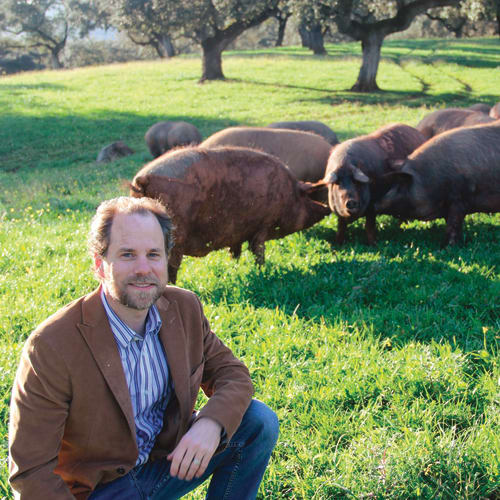
A few slices of Jamón Ibérico, a wedge of Manchego cheese, a crisp Manzanilla olive. As you nibble on these classic Spanish foods plucked from an impressive charcuterie board, it’s hard to imagine everything that it takes to bring these flavors to your table.
Our family is celebrating 30 years of La Tienda. We’ve spent decades meeting with small Spanish suppliers across Spain, establishing close, cooperative relationships and helping them to gain entry into the U.S. market.
In the 1990s, many of the challenges were related to how new Spanish food was in the U.S. It’s hard to imagine now, but besides a few cans of Goya olives and bottles of grocery store olive oil, it was nearly impossible to find Spanish food in most of America.
Part of our job was to educate the country about this amazing cuisine, not only customers, but our food inspectors as well. I remember driving a load of Serrano hams to Smithfield, Virginia, to have them sliced. Halfway through the day, the USDA inspector pulled me and the slicing manager aside and declared that this ham was uncooked and our “ready to eat” labels were all wrong. I patiently tried to explain that jamón doesn’t need cooking, but he was sticking to his decision. Thankfully he talked to his fellow inspector who was born in Italy, and he said, “It’s fine, it’s like prosciutto!” I was lucky that day, but it is still amazing how often we’ve had to inform and explain Spain’s foods to the uninitiated.
We’ve also helped dozens of small producers in Spain to improve their labels and paperwork to comply with U.S. rules. It’s not only translating grams, milliliters and kilos into our units of measure, it’s adding nutritional panels and ensuring all the wording follows size and content guidelines. Then there is the required paperwork: USDA/FSIS proof of inspection, Fish and Wildlife permits, HACCP analysis, low acid canned food documentation, etc. I won’t bore you with more details! But we get a lot of satisfaction from helping these small family companies take the necessary steps to reach the U.S. market and share their products with you.

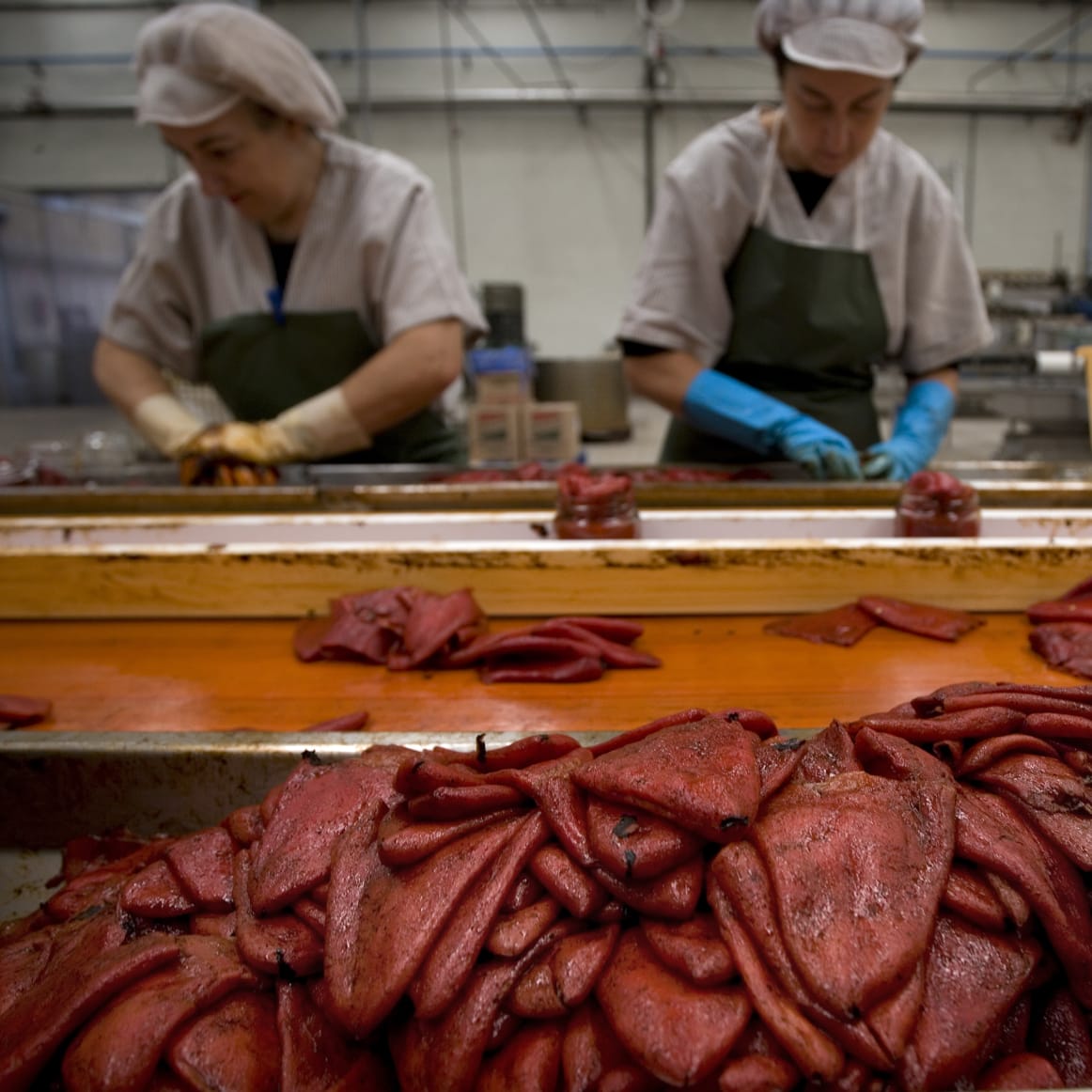
We’ve also had to adjust to the rhythms of nature in Spain. Because we are working with small artisan companies, changes in the climate and landscape in Spain can affect their production. If there is a drought in Andalucía, olive oil and olives can get more expensive. If we don’t plan our orders right, those sweet piquillo peppers from Navarra will run out of stock and we’ll have to wait for the next harvest. If the sardines aren’t running in Galicia, there may be a shortage of canned sardinillas.

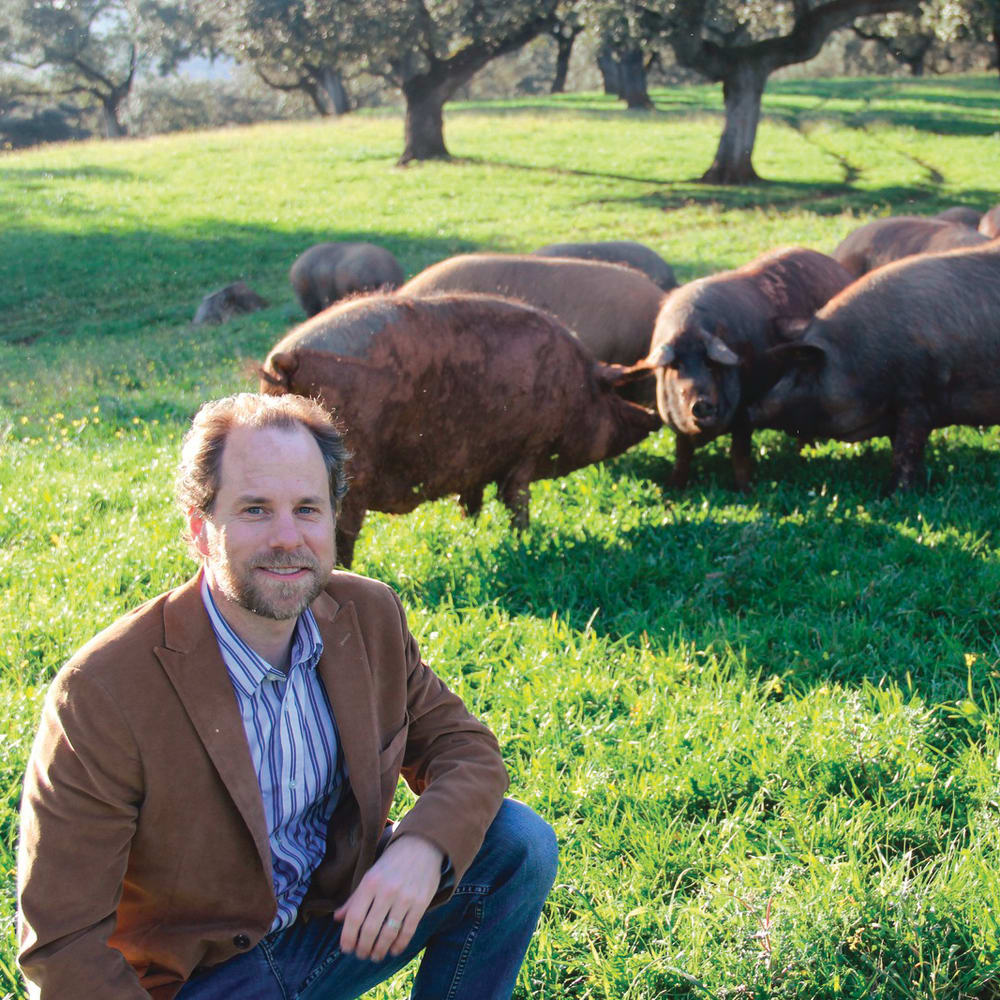
One of the most interesting product cycles pertains to Spain’s most treasured artisan product, Jamón Ibérico de Bellota. This rare ham comes from a special Ibérico breed of pigs that live up to two years outside on the dehesa savannah, feasting on sweet acorns in the winter. The hams are then hung to cure for up to four additional years before they are ready to be sliced and served. So, a ham producer must guess the demand for jamón six years into the future! If demand slows, fewer pigs are released onto the dehesa and fewer hams are hung to cure. Because of this, six years later there is a shortage (and a price increase.) This shortage then encourages curing houses to put more hams away to cure, which will cause a glut and lower prices in another six years. And the cycle continues!
Finally, Spain is adapting to the fact that the new generation is less interested in working the land, tending to animals and laboring in small workshops. We have seen several artisan businesses close for lack of workers and/or lack of interest from the new generation. Some companies are adapting by raising wages and recruiting immigrant labor through government programs. But they are also dealing with a pile of extra costs beyond labor, from fuel and fertilizer to transport and packaging.
These challenges are a real threat to the Spanish food traditions that are an essential part of Spain’s rich culture. That is why we prioritize working with small artisan companies, providing them with orders and logistical support to help their family businesses thrive. We are currently working with a two-person company to help them export their amazing salsa brava sauce. They don’t know the first thing about how to proceed! But we can provide expertise and marketing support to help them expand and flourish. Working with small Spanish family businesses is not the easiest or cheapest way to run our company but supporting them gives us joy every day.

¡Hola! I'm Jonathan Harris, one of the owners of La Tienda. I love sharing insights about Spain's amazing food culture.
Learn more >